Need help? Call Us Now : +91-9873394324

Standby Generators
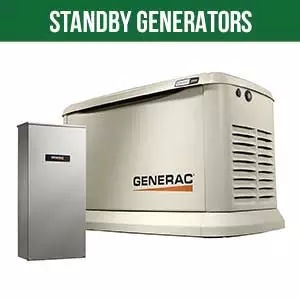
Standby generators often termed “emergency power systems,” or “backup generators” is an electrical system that runs on its own. These generators can run on either diesel or gas, plus they feature a big external tank that allows
them to function for at least two days before needing to be refueled.
Permanent power protection, automatic operation, and the usage of an internal combustion engine are all important features of standby generators. A standby generator and an automatic transfer switch are the two most important
components. These generators can sense power loss in a handful of seconds and respond very instantly, resulting in a very brief period of power loss.
Fire protection systems, elevator safety systems, standby lighting, and medical support equipment are all common applications of standby generators.
Portable Generators
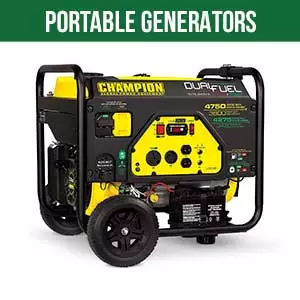
The fuel source for this generator is either gas or diesel. They generate electricity using a combustion engine, much like standby generators. They’re ideal for providing temporary electrical power as well as powering tools
and lights at remote building sites. They can be plugged into the sub-panel for domestic usage to run a refrigerator, television, and other electrical appliances, alternatively they can be used by putting your electrical
appliances onto the portable generator’s power outlet.
Portable generators are extremely handy in a wide range of situations. They are available in a variety of power combinations to suit a variety of applications. When grid electricity goes down during natural catastrophes or
crises, it can be extremely helpful. They’re more suited to home use and smaller business enterprises like retail outlets and stores, as well as building sites for powering minor tools, outdoor weddings, camping, outdoor
events, and agricultural equipment like bore-wells and drip irrigation systems.
Inverter Generators
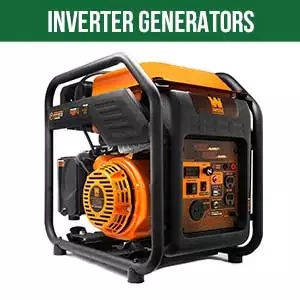
Inverter generators can be whole-house or portable generators, but the method they generate power is different. A typical generator produces power in a single phase and is incapable of maintaining a constant flow of electricity.
Inverter generators generate power in three phases, starting with a high-frequency alternating current (AC), inverting to a direct current (DC), and afterward inverting again to a steady AC output.
This procedure appears to be complicated, but it actually aids in the creation of clean energy, or energy that is steady while in use.
As a result, it’s appropriate for usage in delicate gadgets like phones, computers, and laptops. Inverter generators are also quieter because of their consistent energy output.
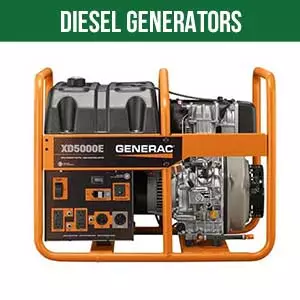
Diesel Generators
Diesel generators, as the name implies, run on diesel rather than gasoline. The majority of the goods in this category are backup generators, although inverter and portable diesel generators are also available. Diesel backup
generators are more reliable than gasoline standby generators in terms of power output. Purchasing a diesel generator also has financial advantages: Diesel generators are more cost-effective than gasoline-powered generators,
so you’ll save money in the long run.
This is the perfect generator for individuals who need a long-lasting, convenient generator for factory use or as pretty much the entire backup.
Gasoline Generators
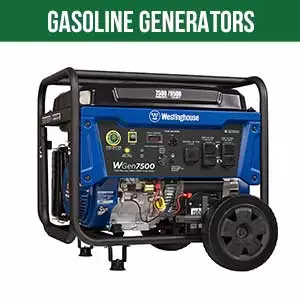
Although generators can run on a range of fuels, gasoline is by far the most usual for portable and inverter generators. Every generator that runs on gasoline fits into this category, making it impossible to make broad statements
about them. The power, characteristics, and applications of a compact, portable gas generator varies from those of a gas-fueled inverter generator.
Gas generators are a wonderful choice for newbie operators and buyers on a tight budget because they offer simple controls and affordable prices. On the negative, this type of generator produces a lot of pollution and uses
a fuel that is more pricey than propane, diesel, or natural gas in the long term.
If you don’t need a lot of electricity, gasoline generators are the finest option. If you need one of these for your home, though, a standby gasoline generator is the best option. They have the ability to deliver a high output
while emitting significantly less pollution.
Natural Gas Generators
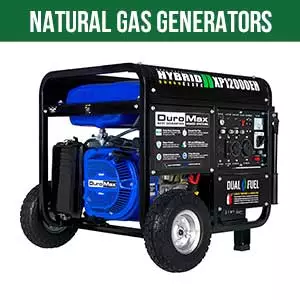
Natural gas generators are typically standby generators, however, there are also portable natural gas generators. Natural gas generators emit substantially less pollution than diesel and gasoline generators, making them an
excellent alternative for whole-house backup power.
Natural gas generators are extremely durable and can endure for years with proper maintenance, despite the hefty initial cost of installation. Natural gas generators also have the disadvantage of being susceptible to extremely
cold temperatures, thus they may not be the greatest option for residents of northern regions.
Best for environmentally conscious customers concerned about pollutant emissions and whole-house backup generators.
Hydrogen Generators
Hydrogen is unlimited, non-toxic, clean, and inexpensive, and it generates more energy per kilogram than every fuel.
Hydrogen generators, while not as common as other kinds of generators, are transportable and helpful in a variety of settings, including laboratories. Hydrogen generators are both safe and portable when properly fitted with
safety elements.
Best for isolated places; interior use; homes or companies that require an uninterrupted power source.
Solar Generators
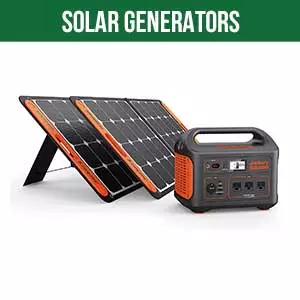
Solar generators for the entire house are quite expensive to install, despite the fact that the fuel is renewable as well as free. These generators are great for camping or keeping in your car as a backup power source.
Solar generators usually have built-in solar panels, and some also have removable solar panels that can be slanted or positioned to best absorb the sun’s rays. These generators have two drawbacks: they don’t function when it’s
dark over there and they don’t emit a lot of power.
Best for environmentally minded buyers who can afford the high upfront price of the whole solar generators as well as portable generator customers who don’t want a lot of backup power.