Need help? Call Us Now : +91-9873394324

Linear Actuators
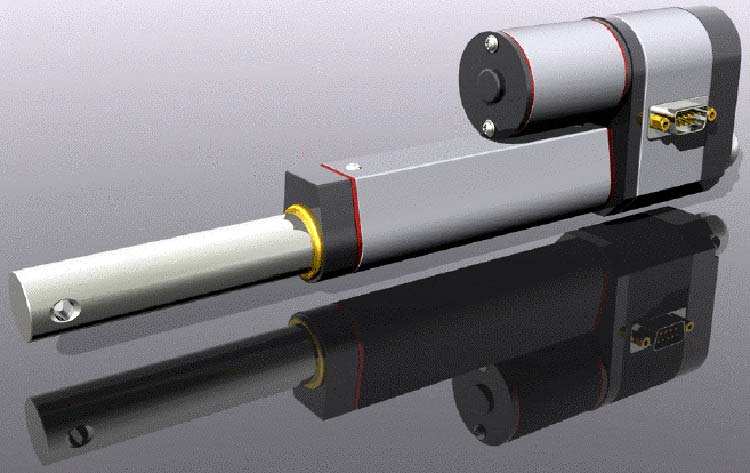
Linear Actuators are machines that provide mechanical force linearly or in simpler words they provide mechanical forces in a straight line, they only have a push and pull motion. The most commonly used linear actuators are
push-pull solenoids and hydraulic cylinders which are used in construction equipment. The image below shows a linear electric actuator.
Rotary Actuator
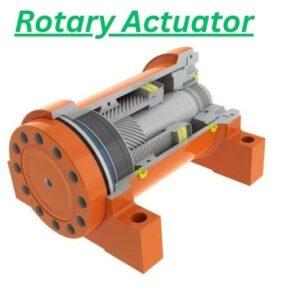
Actuators that are capable of producing circular motion are known as rotary actuators. When considering rotational movement, it's challenging to envision any other device besides motors. This special device is really good at
doing tasks that involve things turning around. It's like the turning part in a big machine, smoothly doing jobs that need circular motion. Rotary Actuator is that it can fit into many different situations. It works in
factories, helping control how things are positioned, and in robots, making sure their arms or hands move just right.
Electrical Actuator
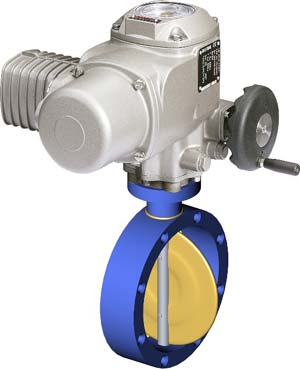
Electric actuators are devices that take electrical energy both AC or DC as an input to provide a mechanical torque or linear motion. Electric motors are becoming one of the most commonly used actuators due to their easier
control, longer life spans, and high efficiency. Servo motors and other DC and AC types of motors provide a rotational output. Rotational actuators are the most efficient type of electrical actuator, they have higher power
to weight ratio and lower moving parts compared to most linear actuators. The below image shows a rotary actuator used as a valve in a cross-section area of a pipeline.
Electromagnetic actuators are devices that convert electrical energy into mechanical motion. Electric motors generate force and transfer it through gears, screws, or other mechanisms to create linear or rotary movement. Electromagnetic
actuators are commonly used in robots, aircraft, factories, and even medical equipment, these accuators offer precise control, fast response times, and clean operation. They're also becoming increasingly popular due to
their energy efficiency and ease of maintenance.
Hydraulic Actuator
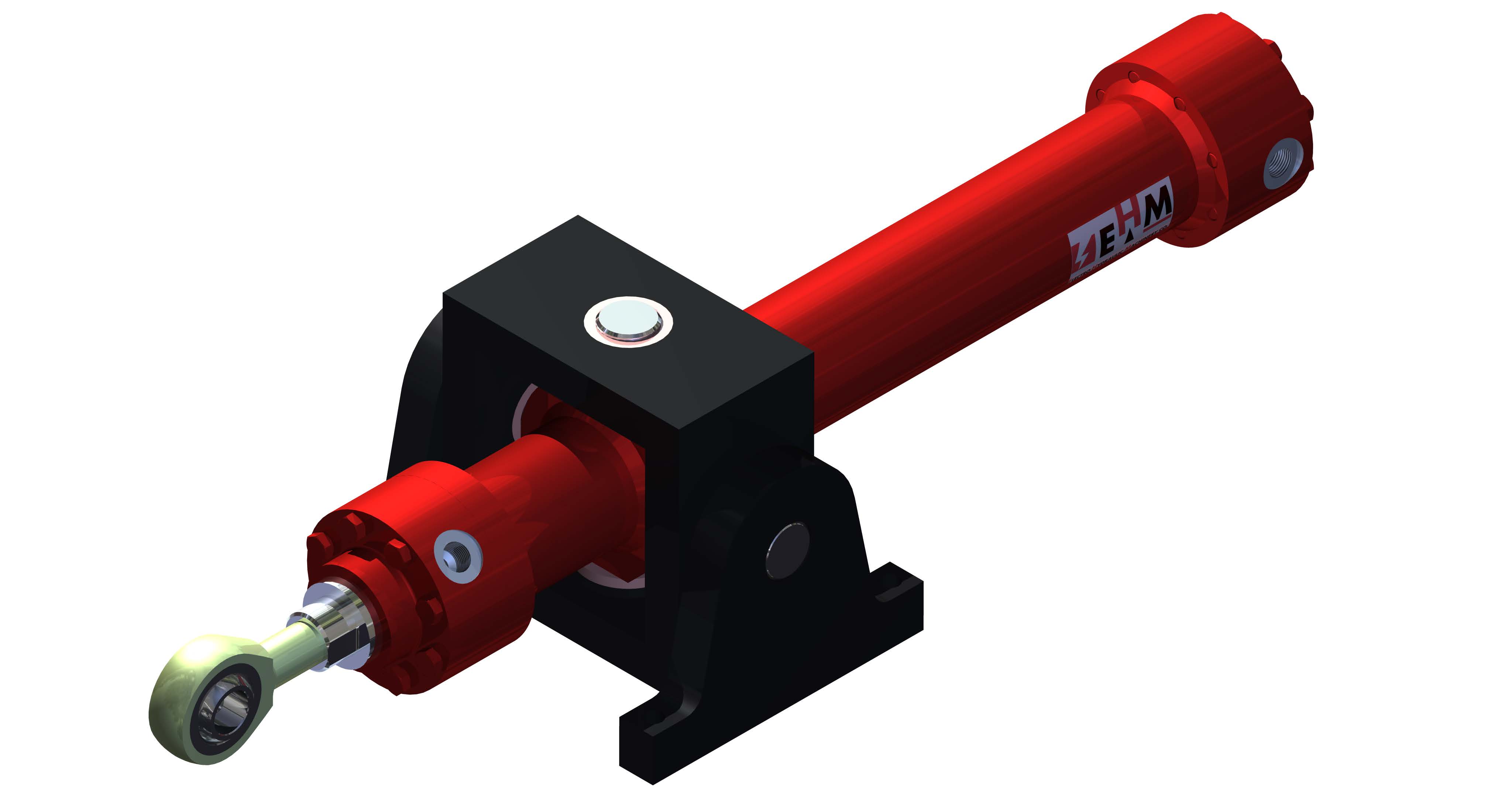
The hydraulic actuators consist of a cylinder or fluid-based motor which utilizes the power of hydraulics to create mechanical actions. Hydraulic actuators are capable of providing linear as well as rotary motions. They utilize
incompressible fluids such as oils from a pump that fills the cylinder to apply power to either one or both sides of the pistons. The speed and force can be adjusted by increasing the pressure of the fluid inside the cylinder.
These are the oldest types of actuators known to us. The below image shows a cross-section of the hydraulic actuator. In the image of a JCB machine, we can see 3 hydraulic actuators used to control its arm.
Piezoelectric Actuators
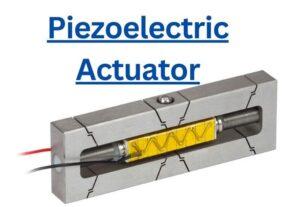
Piezoelectric actuators are devices that use the piezoelectric effect to generate mechanical motion. When an electric field is applied to certain materials, like piezoceramics, they deform or change shape. This property allows
piezoelectric actuators to produce precise and rapid movements, making them valuable in applications such as nano positioning, optics, and precise positioning systems. Their ability to respond quickly and with high precision
distinguishes them in scenarios where fine control and accuracy are essential.
Pneumatic Actuators
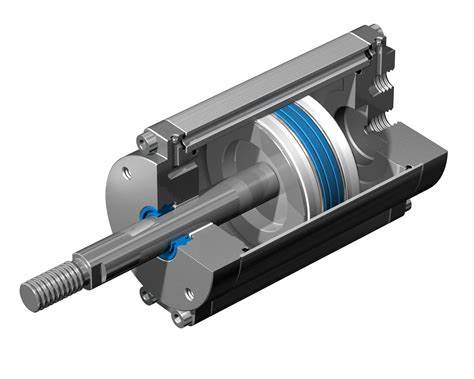
Pneumatic actuators are devices that use compressed air to produce controlled mechanical motion. In these types of actuators air pressure acts on a piston, causing it to move. This movement can be utilized for various applications,
from opening and closing hayward actuator valve to driving machinery. Pneumatic actuators are valued for their simplicity, quick response times, and suitability for tasks that require less force compared to hydraulic systems.
The fundamental principle behind pneumatic actuators involves the controlled application of compressed air to generate motion. When pressurized air is directed into the actuators, it creates force differentials that drive linear
or rotary movement. This inherent responsiveness makes pneumatic actuators ideal for tasks where quick and dynamic motion is paramount.
Mechanical Actuators
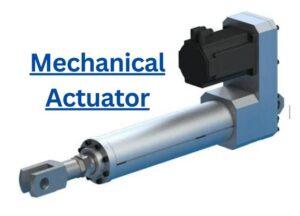
Mechanical actuators are devices that convert some form of input energy, often rotary motion, into controlled mechanical movement. These actuators use gears, cams, levers, or other electro-mechanical actuators components to
achieve precise motion or force. Mechanical actuators are versatile and find applications in various systems, including machinery, robotics, and automotive mechanisms, providing reliable and straightforward solutions for
controlled motion.