
Need help? Call Us Now : +91-9873394324

Lead-acid Batteries
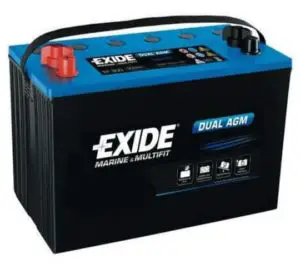
It is a type of rechargeable battery containing lead acid that is much cheaper and is seen in most cars and vehicles to power the lighting system. Lead-acid batteries have a relatively low energy density compared to modern
rechargeable batteries.
Despite this, their ability to supply high currents means that the cells have a relatively large power-to-weight ratio. Lead-acid battery capacity is 2V to 24V and is commonly seen as 2V, 6V, 12V, and 24V batteries. Its power
density is 7 Wh/kg.
Since they are available at a low cost, providing the high current required by starter motors makes them perfect for use in motor vehicles.
Nickel-cadmium Batteries (Ni-Cd)
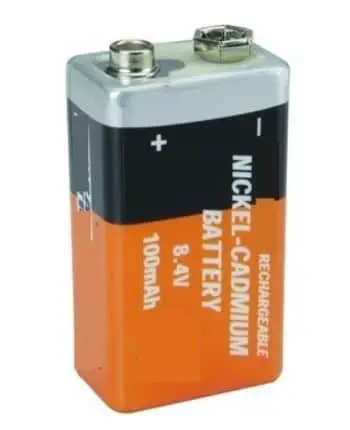
INickel-cadmium battery is also a type of rechargeable battery that uses nickel oxide hydroxide and the metal cadmium as electrodes. One of the main advantages of Ni-Cd batteries is that they can maintain voltage and hold a
charge when not in use.
Gate valves can usually have rising or non-rising stems. Gate valves come in a range of sizes, from 12 mm to 300 mm and even larger. The gate valves are very compact and barely restrict fluid flow when fully open along the
pipe axis.
These types of batteries have a terminal voltage that drops almost to the end of the discharge during a discharge of about 1.2 volts. Although they are rarely used, they are cheap and have a much lower discharge rate than NiMH
batteries.
Nickel-metal Hybrid Batteries (Ni-MH)
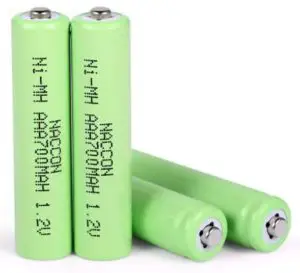
It is a rechargeable battery used in everyday electronic devices such as smartphones, laptop computers, and portable power tools. In this type, the chemical reaction at the positive electrode is similar to that of a nickel-cadmium
cell, with both using nickel oxide hydroxide.
Nevertheless, the negative electrodes use a hydrogen-absorbing alloy instead of the cadmium that is used in NiCd batteries. This battery finds application in high-drain devices due to its high capacity and energy density. They
are generally used as an alternative because they have a slightly lower but generally compatible cell voltage.
Lithium-ion Batteries (Li-ion)
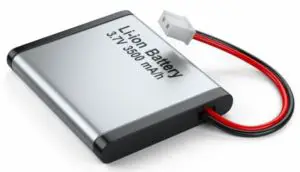
These types of batteries are composed of cells in which lithium ions move from the negative electrode through the electrolyte to the positive electrode during discharge and back when it’s charging. Lithium-ion batteries are
used in heavy electrical current usage devices such as remote car fobs.
These are widely used batteries that are commonly found in laptops, mobile phones, cameras, etc. Lithium-ion batteries typically have a higher energy density, little or no memory effect, and lower self-discharge than other
battery types. They have a longevity of 300 to 500 charge cycles or about two to three years.
Alkaline Batteries
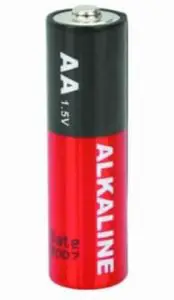
Alkaline batteries convert chemical energy into electrical energy by using manganese dioxide as the positive electrode and a zinc cylinder as the negative electrode to power an external circuit. The rechargeable alkaline battery
is designed to be fully charged after repeated use.
It can be used for high- and low-drain devices but can wear out quickly in high-drain devices such as digital cameras. These batteries have a higher energy density and longer life, yet provide similar voltages as zinc-carbon
batteries. It can be hazardous to recharge disposable alkaline batteries, so the user should look closely at its label.
Zinc Carbon Batteries
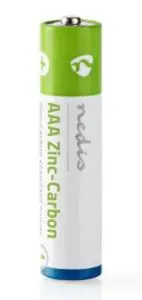
A zinc-carbon battery provides a direct electric current from the electrochemical reaction between zinc and manganese dioxide in the presence of an electrolyte. These are found in appliances throughout the home, such as the
remote control running the thermostat.
They typically offer higher capacity and lower internal resistance than alkaline batteries. In addition, they have improved low-temperature performance, improved leakage resistance, and low self-discharge. Zinc-carbon batteries
have a short life cycle and are best suited for low-drain devices.
Coin Cell Batteries
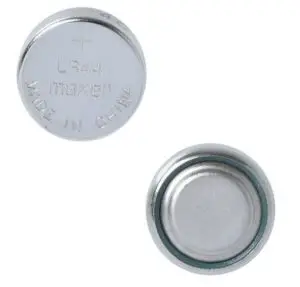
A coin cell battery is a small single-cell battery usually shaped as a squat cylindrical in diameter to resemble a button. These types of batteries have a separator that technicians contact an electrolyte between them, and
control the flow of ions that create electricity.
They have a long service life and are found in small portable devices such as watches and pocket calculators. It is made of stainless steel that forms the cell’s lower body and positive terminal and a metallic top cap forms
the negative terminal. Because they are so consistent and reliable, they are great for use in products that require long, continuous service.
Sealed Lead-acid Batteries
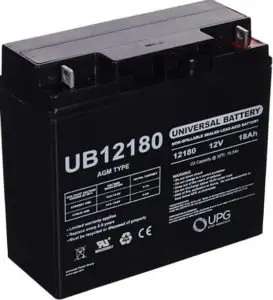
It is a type of lead-acid battery in which the sulfuric acid electrolyte is condensed (thickened), so it cannot drain out. They are somewhat sealed but have vents if the gases are accidentally released by overcharging. This
battery is designed to last up to 12 years.
Its advantages include significantly higher compression ratios and rpm, meaning more power, a more compact and lightweight cylinder head, and less complexity, leading to greater reliability and lower costs.
It can be mounted in any position and does not require regular maintenance. It has a relief valve that is activated when the battery generates hydrogen gas. These types of batteries perform well at high load currents. They
are found in motorcycles and all-terrain vehicles, wheelchairs, scooters, and boats.
Zinc-air Batteries
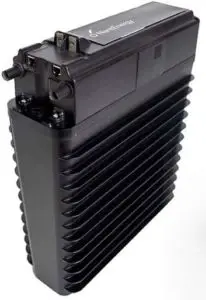
Zinc-air batteries typically operate by oxidizing zinc with oxygen from the air. Since they are activated by air, they are ready for use when the oxygen interacts with the zinc in the battery. They have high energy density
and are relatively inexpensive to produce.
They are available in a variety of sizes, from very small button cells for hearing aids to the large batteries used in film cameras. These types of batteries remain active until the power runs out, usually about three years.
Benefits of this battery include flat discharge voltage, safety environmental benefits, and low cost.